

Timelessbrandinginjusttwoweeks.
Your story.Made visible.
You've written the deck. You know the market. You've pitched the story to investors fifty times. You don't need anyone to tell you who your customer is. You need it to look like what you've been saying.
So there's no strategy phase. One call, you brief me, and I start designing.
- 60Minute kick-off
- 1Brand at a time
- 3Directions explored
- 1Person doing the work
- 2Weeks
- 1Exceptional brand
I don't run longdesign phases.I run sprints.
- Day 1
Kick-off
One 60-minute call. You brief me.
- Friday
You pick one
Three directions, shown on real things.
- Day 14
Delivered
The full system, ready to use.
Two weeks goes a long way.All this, plus much more:
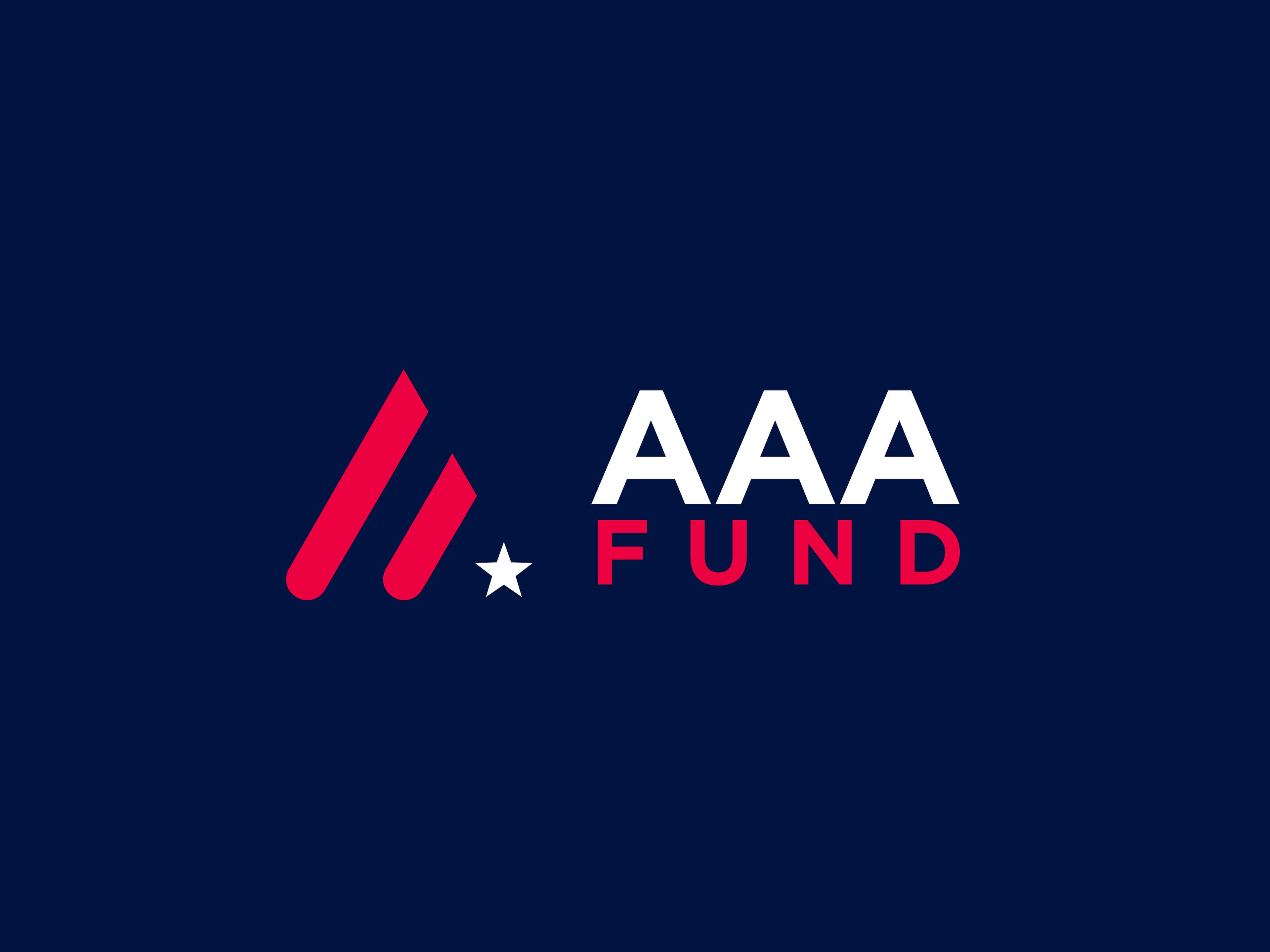
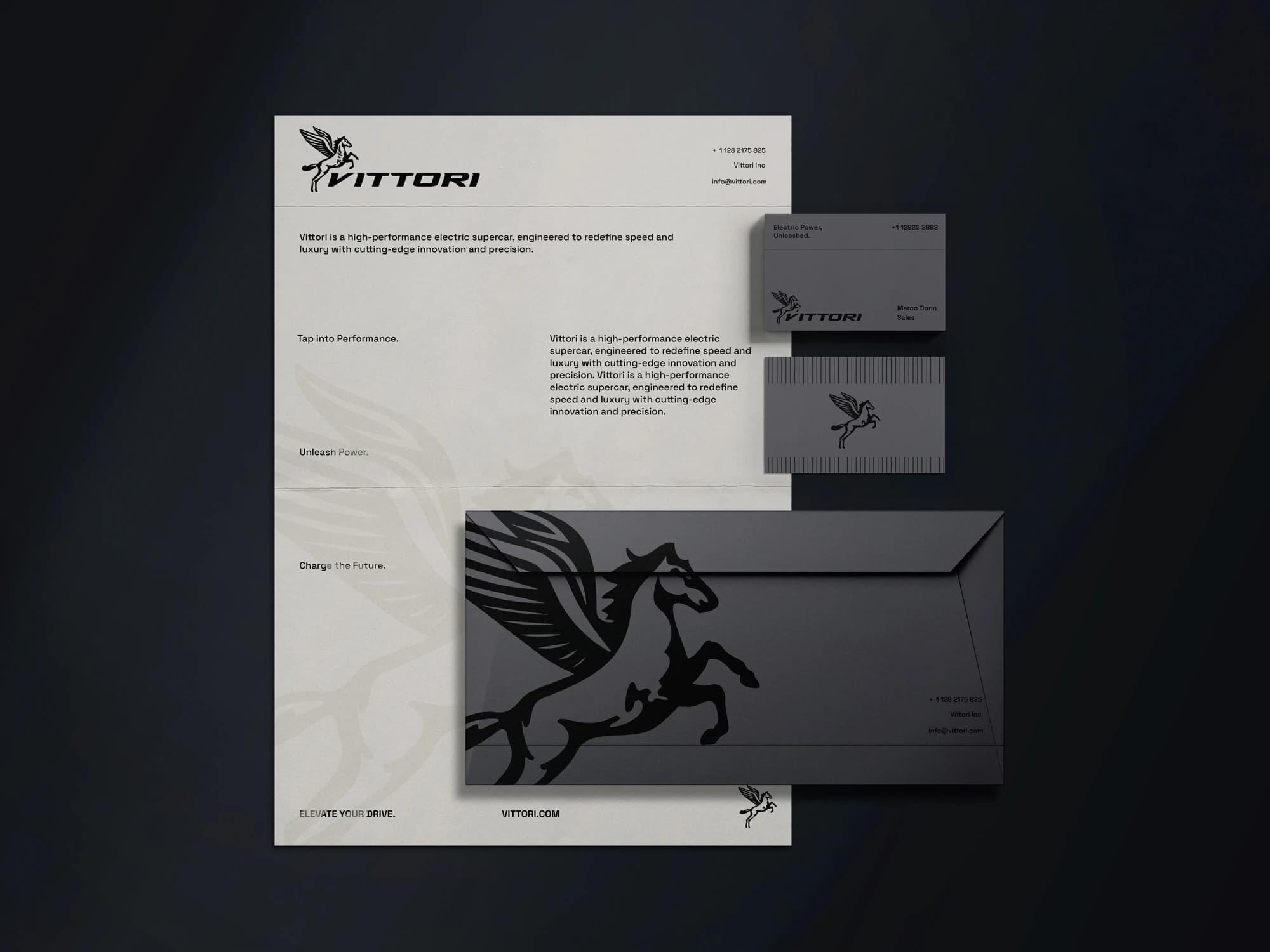
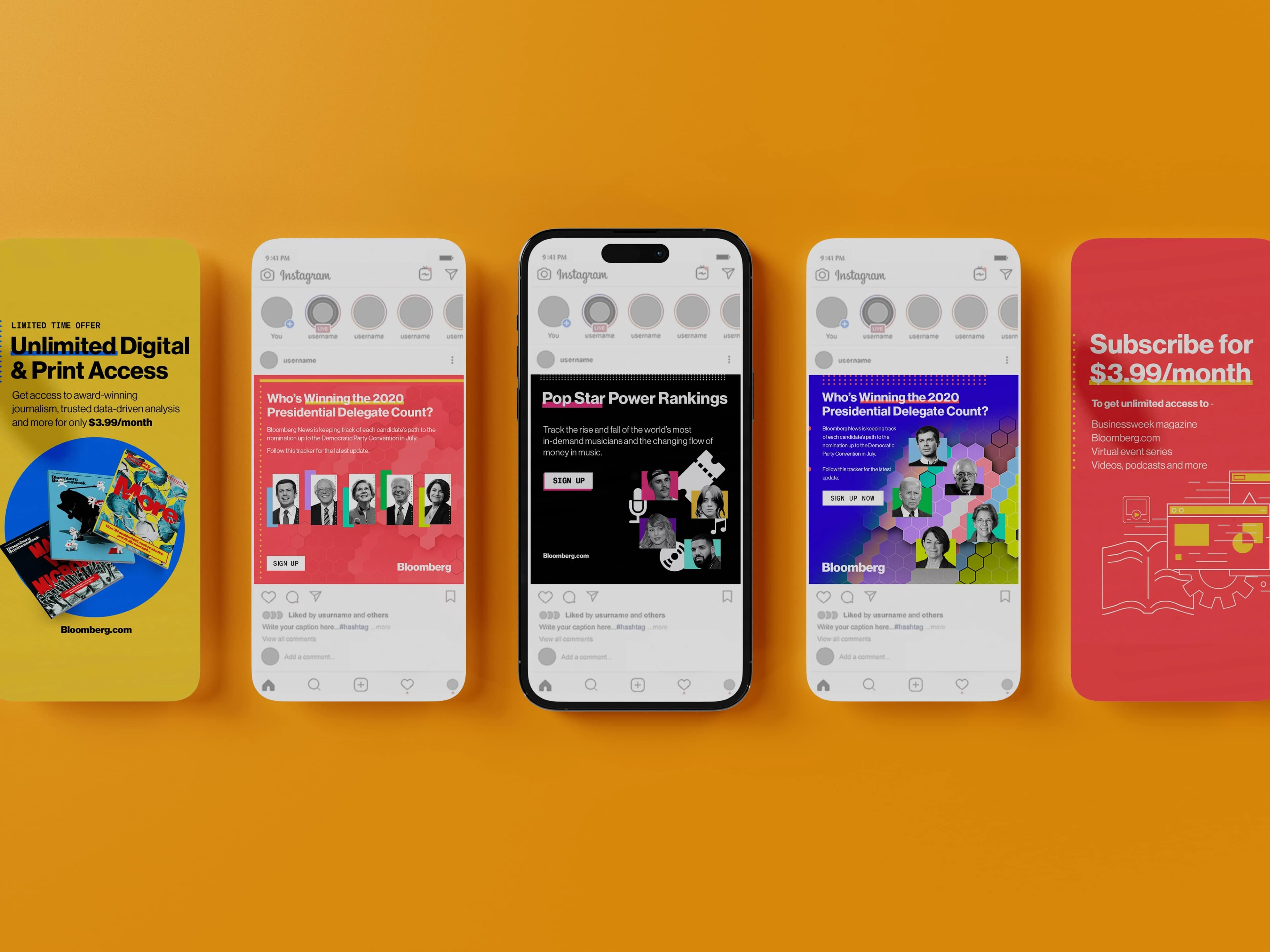
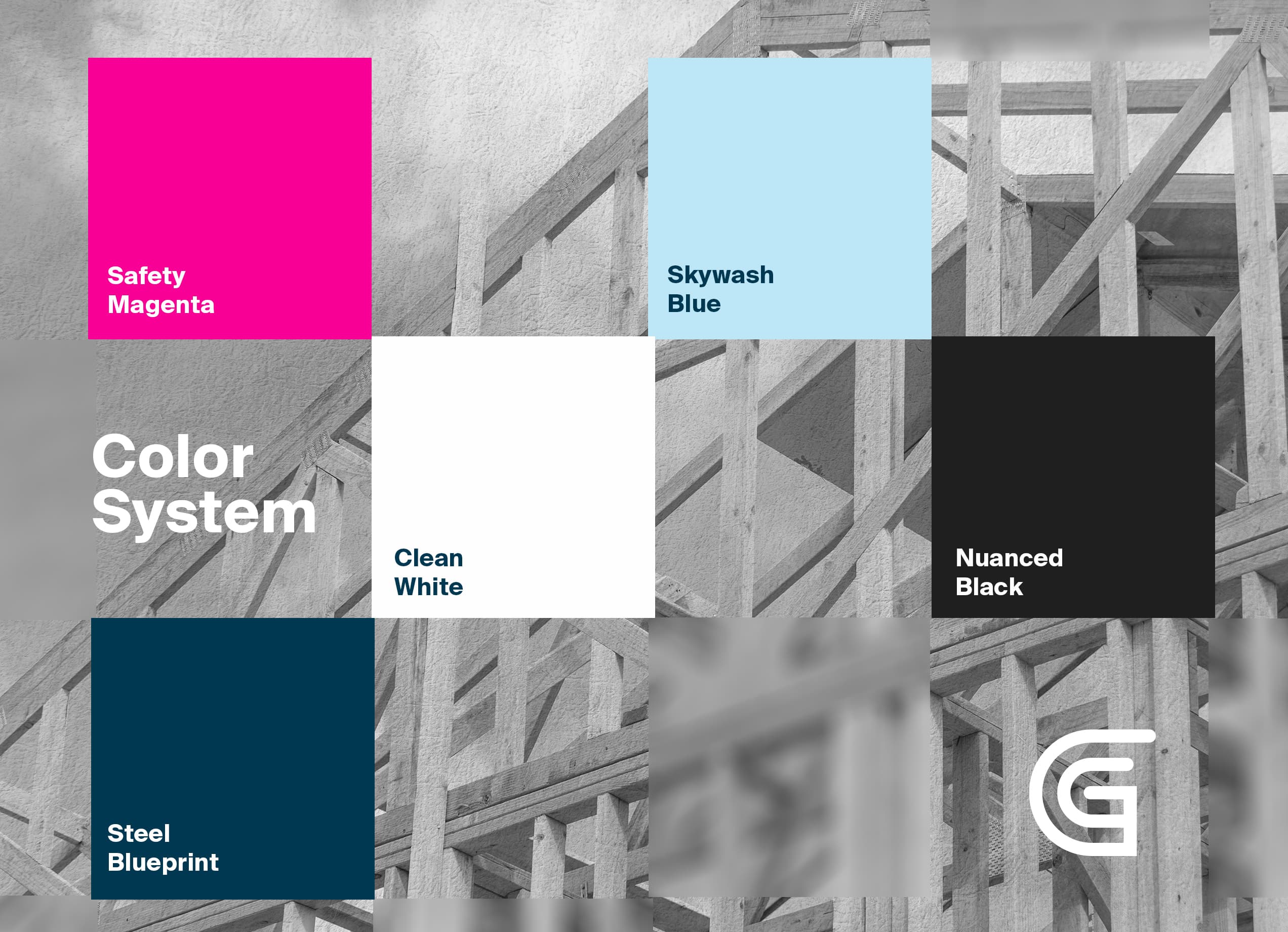
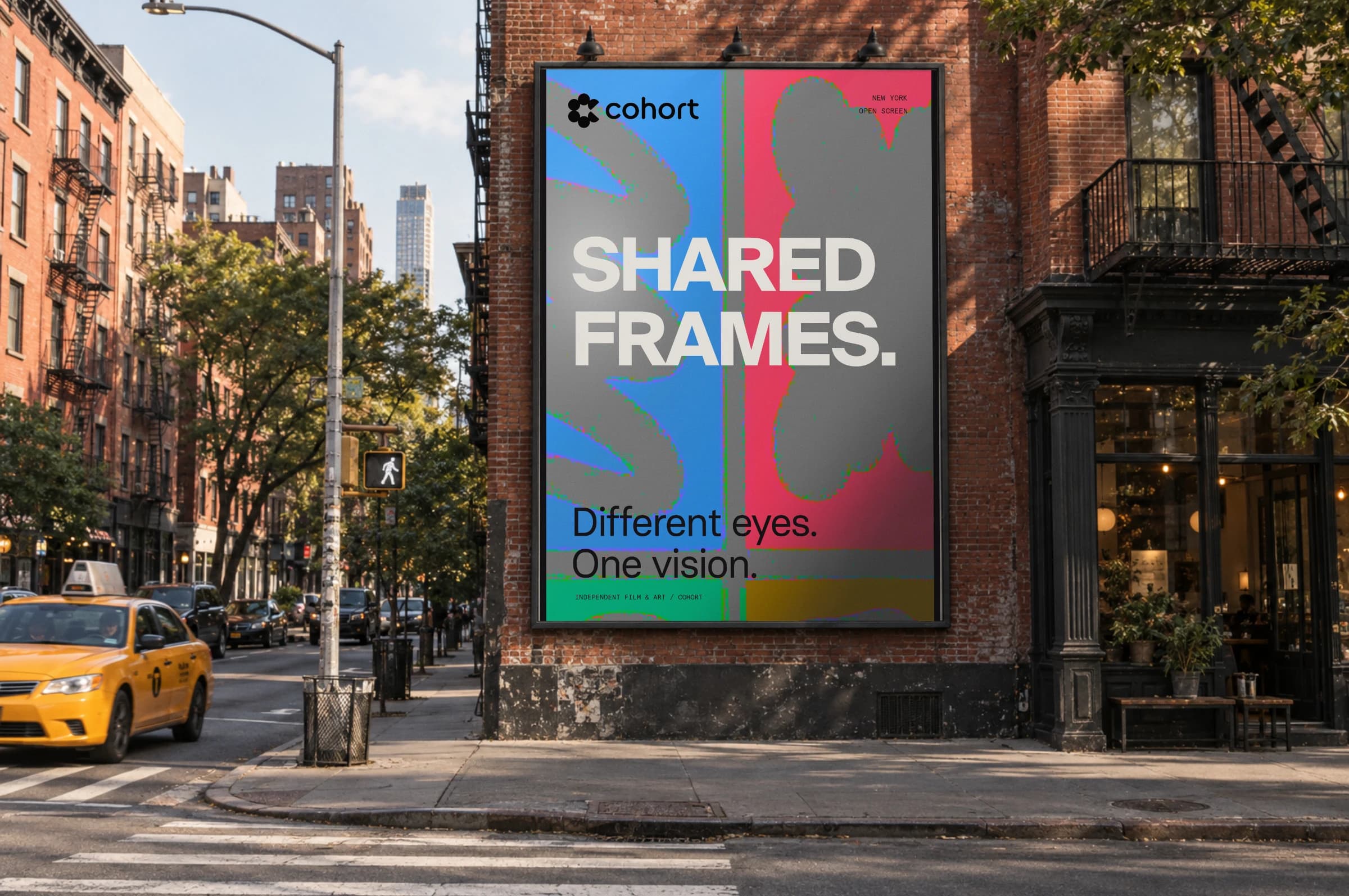
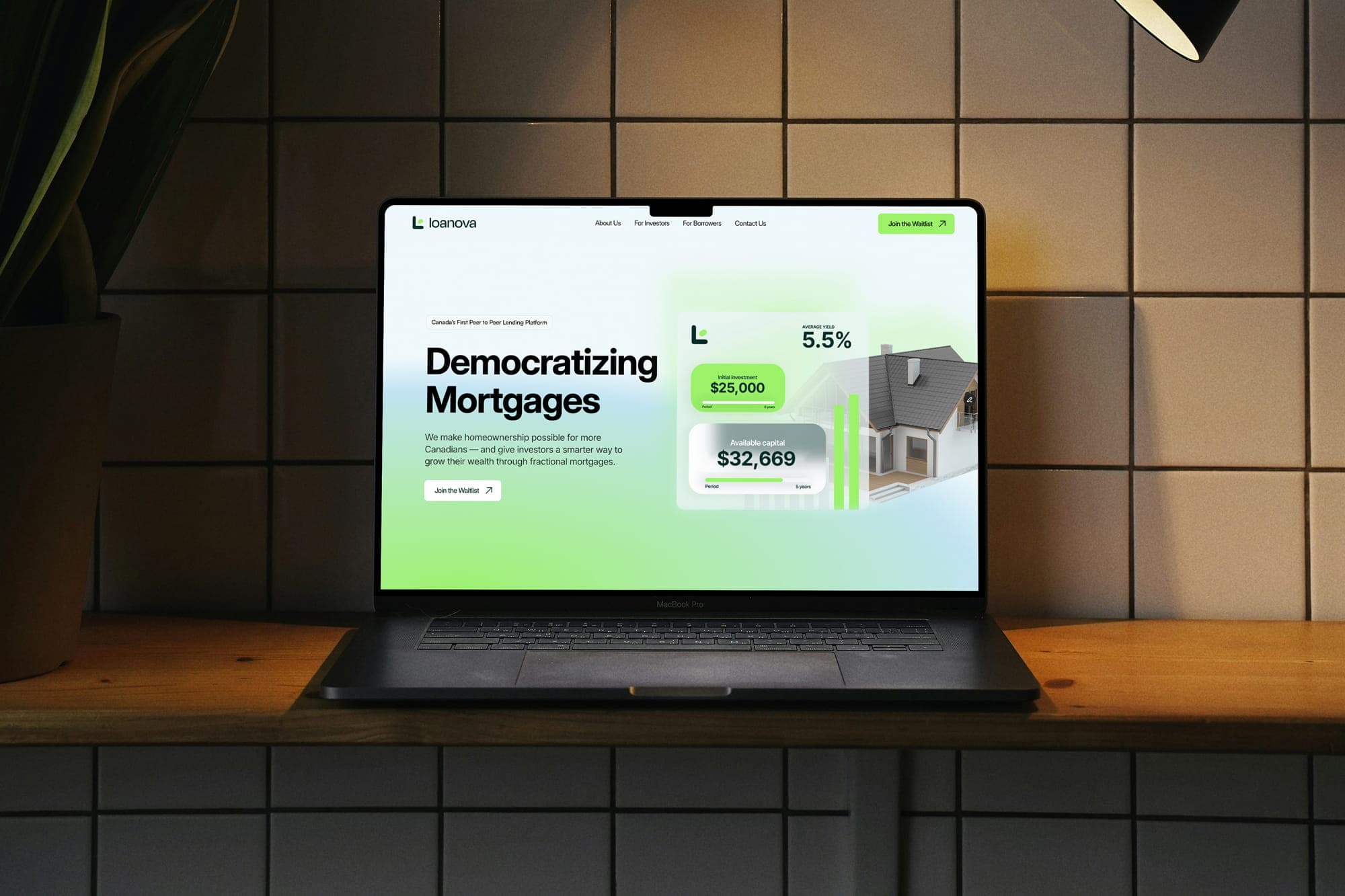
- Logo
- Collateral
- Social
- Type and color
- Mockups
- Web design and developmentAdd-on
One brand. Two weeks. $15k.No guesswork. No haggling.
| What | With me | Traditional agency |
|---|---|---|
| Price | $15k | $45k to $150k+ |
| Time | 2 weeks | 6 to 24 weeks |
| Who | One person | A team, with handoffs |
Bars are to scale. Agency figures are published rates for boutique branding studios.